

Improving the Shelf Life and Quality of Traditional Mongolian Dairy Products Through Modern Food Preservation Technologies: A Review
Bayarsaikhan Khongorzul
Independent Researcher, Ulaanbaatar, Mongolia | Email: hongoroo0337@gmail.com
Abstract: Traditional Mongolian dairy products, including airag (fermented mare’s milk), aaruul (dried curd), and byaslag (Mongolian cheese), are culturally significant foods that have been produced for centuries using time-honored methods. However, these traditional products often suffer from limited shelf life, inconsistent quality, and food safety concerns that hinder their commercialization and export potential. This review examines the current state of traditional Mongolian dairy product processing and evaluates the applicability of modern food preservation technologies—including high-pressure processing (HPP), modified atmosphere packaging (MAP), hurdle technology, and controlled fermentation—to enhance the quality, safety, and marketability of these products. The paper analyzes existing research on the microbiology and biochemistry of Mongolian fermented dairy foods, identifies key quality deterioration mechanisms, and proposes a framework for integrating modern preservation methods while maintaining the unique sensory and nutritional characteristics valued by consumers. The findings suggest that a combination of hurdle technology and controlled fermentation offers the most promising approach for extending shelf life without compromising traditional flavor profiles.
Keywords: Mongolian dairy products, food preservation, shelf life extension, fermented milk, hurdle technology, food safety
1. Introduction
Mongolia has a rich pastoral heritage spanning thousands of years, and dairy products occupy a central place in Mongolian cuisine and culture. The nomadic lifestyle of Mongolian herders has given rise to a diverse array of traditional dairy products, collectively known as “tsagaan idee” (white foods), which include fermented mare’s milk (airag), dried curd (aaruul), Mongolian cheese (byaslag), clotted cream (urum), and fermented yogurt (tarag). These products are not only important dietary staples but also carry deep cultural significance, particularly during celebrations and social gatherings (Bat-Oyun et al., 2020).
Despite their cultural importance, traditional Mongolian dairy products face significant challenges in the modern food market. The production methods are largely artisanal, relying on natural fermentation, sun drying, and ambient temperature storage. As a result, product quality varies considerably between batches and producers, and shelf life is often limited to days or weeks under ambient conditions. Furthermore, the lack of standardized hygiene practices during production raises food safety concerns, particularly regarding pathogenic contamination (Demberel et al., 2019).
The growing urbanization of Mongolia, increasing consumer awareness of food safety, and the potential for exporting traditional dairy products to international markets all underscore the need for modernizing production and preservation methods. However, any technological intervention must be carefully designed to preserve the unique sensory characteristics—flavor, texture, aroma—that define these traditional products and are valued by consumers (Tserendorj et al., 2022).
This review aims to: (1) provide an overview of the major types of traditional Mongolian dairy products and their current production methods; (2) identify the key mechanisms of quality deterioration and food safety risks; (3) evaluate the suitability of modern food preservation technologies for application to these products; and (4) propose a practical framework for technology integration that balances modernization with tradition.
2. Traditional Mongolian Dairy Products: An Overview
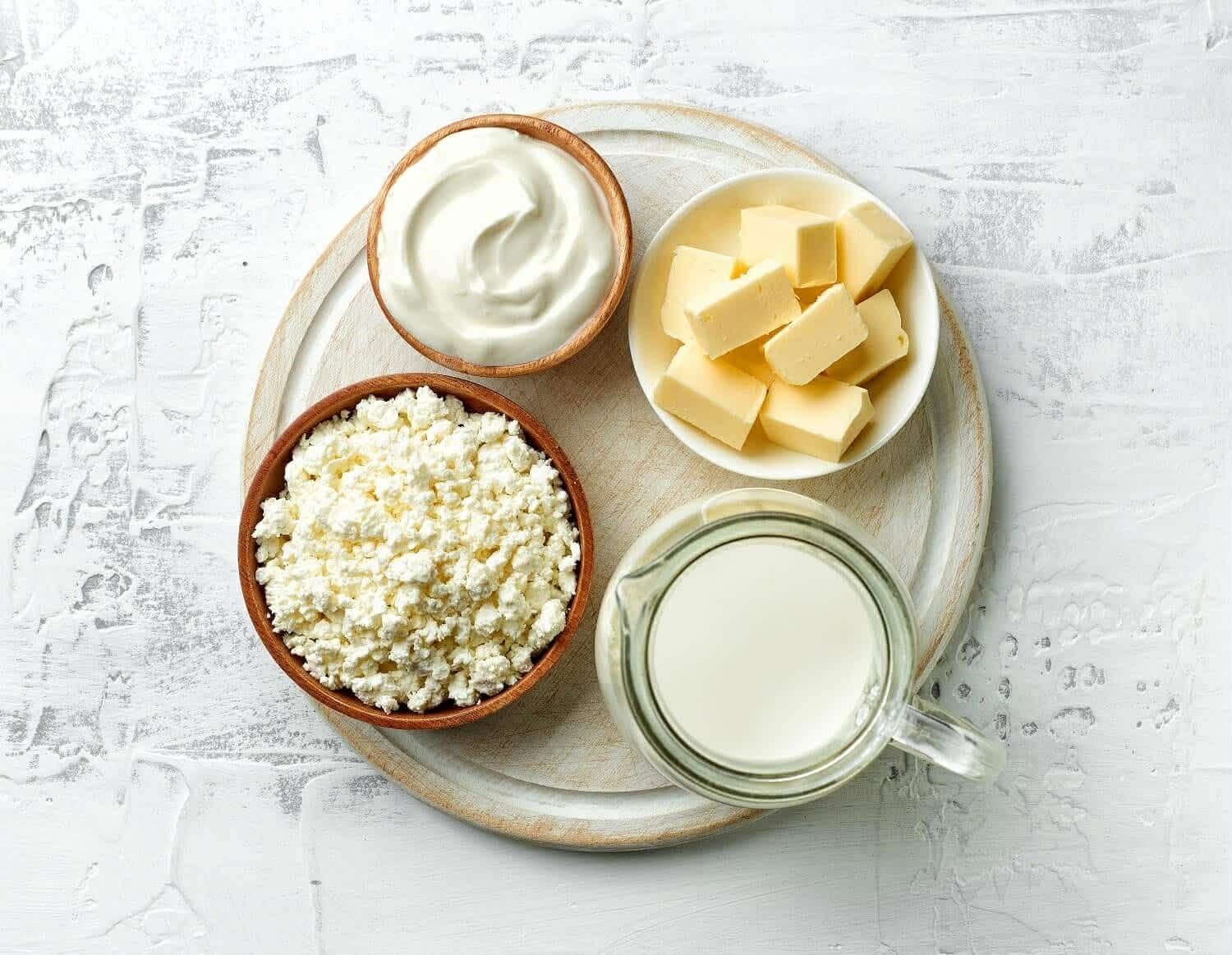
Mongolian dairy products can be broadly categorized into fermented beverages (airag, tarag, shimiin arkhi), solid products (aaruul, byaslag, eezgii), and fat-based products (urum, tsagaan tos). Each product has distinct production methods that have been refined over centuries of pastoral practice.
Airag, perhaps the most iconic Mongolian dairy product, is produced by fermenting raw mare’s milk in a cowhide container (khukhuur) through continuous stirring over several days. The fermentation is driven by a complex consortium of lactic acid bacteria (LAB) and yeasts, producing a mildly alcoholic, slightly sour beverage with distinctive effervescence. Studies have identified Lactobacillus, Lactococcus, and Saccharomyces species as dominant microorganisms in airag fermentation (Watanabe et al., 2008).
Aaruul is made by separating curd from fermented milk, pressing it into molds, and drying it in the open air and sunlight. The resulting product has very low moisture content (typically below 15%) and can be stored for extended periods. Byaslag is a fresh cheese produced by heating soured milk and pressing the resulting curd, while eezgii is made from dried curds of buttermilk. Urum, or clotted cream, is produced by slowly heating fresh milk and collecting the cream layer that forms on the surface (Indra et al., 2003).
3. Quality Deterioration Mechanisms and Food Safety Risks
The primary mechanisms of quality deterioration in traditional Mongolian dairy products include microbial spoilage, oxidative degradation of lipids, moisture migration, and enzymatic reactions. In fermented products such as airag and tarag, the continuation of fermentation beyond optimal levels leads to excessive acidification, off-flavors, and textural changes. In fat-rich products such as urum and tsagaan tos, lipid oxidation is a major concern, leading to rancidity and loss of nutritional value (Purevsuren and Demberel, 2018).
From a food safety perspective, the open-air processing conditions typical of traditional production expose products to environmental contaminants, including dust, insects, and airborne microorganisms. Studies have detected potentially pathogenic bacteria, including Escherichia coli, Staphylococcus aureus, and Salmonella spp., in traditionally produced Mongolian dairy products, particularly those sold at open-air markets (Batjargal et al., 2017). The absence of pasteurization in most traditional processes means that any pathogens present in raw milk may survive into the finished product.
Temperature abuse during storage and distribution is another critical risk factor. Mongolia’s extreme continental climate, with summer temperatures exceeding 35°C, accelerates microbial growth and chemical deterioration in products stored without refrigeration. This is particularly problematic in rural areas and during the summer months when dairy production peaks but cold chain infrastructure is limited.
4. Modern Preservation Technologies: Applicability Assessment
Several modern food preservation technologies offer potential for improving the safety and extending the shelf life of Mongolian dairy products. High-pressure processing (HPP) is a non-thermal technology that inactivates vegetative pathogenic and spoilage microorganisms while largely preserving the nutritional and sensory properties of food. HPP has been successfully applied to various dairy products globally, including cheese, yogurt, and milk-based beverages (Chawla et al., 2011). Its application to airag and tarag could significantly improve microbiological safety without the flavor changes associated with thermal processing.
Modified atmosphere packaging (MAP) involves replacing the air inside a package with a defined gas mixture, typically combining CO₂ and N₂ to suppress microbial growth and oxidative reactions. MAP technology is particularly relevant for extending the shelf life of byaslag and aaruul by reducing mold growth and lipid oxidation during storage and transport (McMillin, 2008).
Hurdle technology, which employs a combination of preservation factors (such as mild heat treatment, reduced water activity, controlled pH, and antimicrobial agents) at sub-lethal levels, offers a particularly promising approach for traditional products. By combining multiple mild preservation measures, hurdle technology can achieve effective microbial control while minimizing the impact on product quality. This approach is well-suited to the Mongolian context because individual hurdles can be adapted to local conditions and existing production practices (Leistner, 2000).
Controlled fermentation using defined starter cultures represents another important avenue for quality improvement. By replacing the variable natural microflora with selected LAB strains that have been characterized for their acidification rate, flavor production, and probiotic properties, producers can achieve more consistent product quality while potentially enhancing the health benefits of fermented products (Rong et al., 2015).
5. Proposed Framework for Technology Integration
Based on the analysis presented in this review, we propose a practical framework for integrating modern preservation technologies into traditional Mongolian dairy product processing. The framework consists of three tiers designed to accommodate different scales of production and resource availability.
Tier 1 (Basic Improvement) focuses on hygiene interventions and basic cold chain implementation that can be adopted by individual herder households. This includes the use of food-grade containers, basic pasteurization of raw milk before fermentation, improved drying conditions for aaruul, and the use of simple cooling methods such as evaporative coolers.
Tier 2 (Intermediate Modernization) targets small and medium-scale dairy processors and includes the adoption of defined starter cultures for fermentation, vacuum packaging or MAP for shelf life extension, and basic quality control testing. This tier requires modest capital investment but can significantly improve product consistency and safety.
Tier 3 (Advanced Processing) applies to industrial-scale operations targeting domestic urban markets and export markets. This tier incorporates HPP treatment, comprehensive HACCP-based quality management systems, advanced packaging technologies, and cold chain logistics. Products processed at this tier could meet international food safety standards and achieve shelf lives of several months.
The successful implementation of this framework requires coordinated efforts across multiple stakeholders, including government agencies, research institutions, dairy industry associations, and international development partners. Training programs for herders and small processors are essential to ensure that technology adoption does not compromise the traditional character of the products.
6. Conclusion
Traditional Mongolian dairy products represent a valuable cultural heritage and a significant economic opportunity. However, realizing their full commercial potential requires the strategic application of modern food preservation technologies to address quality consistency, shelf life limitations, and food safety concerns. This review has demonstrated that a range of modern technologies—particularly hurdle technology, controlled fermentation, and modified atmosphere packaging—can be effectively adapted to improve traditional products while preserving their distinctive characteristics.
The proposed three-tier framework provides a practical roadmap for technology integration that accommodates the diverse scales of production found in Mongolia’s dairy sector. Future research should focus on: (1) characterizing the microbial ecosystems of traditional Mongolian dairy products using metagenomic approaches; (2) conducting shelf life studies under realistic Mongolian storage conditions; (3) evaluating consumer acceptance of technologically improved products; and (4) developing cost-effective processing solutions suitable for Mongolia’s rural context. By bridging traditional knowledge and modern food science, Mongolia can preserve its dairy heritage while building a competitive and safe food industry.
References
[1] Bat-Oyun, Ts., Shinoda, M., & Tsubo, M. (2020). Effects of climate change on pastoral livestock production in Mongolia. Journal of Arid Environments, 175, 104089.
[2] Batjargal, B., Nyamdorj, B., & Tsend-Ayush, S. (2017). Microbiological quality assessment of traditional Mongolian dairy products sold at open markets. Mongolian Journal of Agricultural Sciences, 21(2), 45–53.
[3] Chawla, R., Patil, G. R., & Singh, A. K. (2011). High hydrostatic pressure technology in dairy processing: A review. Journal of Food Science and Technology, 48(3), 260–268.
[4] Demberel, Sh., Bao, Q., & Sun, T. (2019). Diversity of lactic acid bacteria in traditional Mongolian fermented dairy products. Food Research International, 116, 398–407.
[5] Indra, R., Shinoda, M., & Munkhjargal, O. (2003). Traditional dairy products of Mongolia: Processing, characteristics, and nutritional value. Asian Journal of Dairy Research, 22(1), 18–25.
[6] Leistner, L. (2000). Basic aspects of food preservation by hurdle technology. International Journal of Food Microbiology, 55(1–3), 181–186.
[7] McMillin, K. W. (2008). Where is MAP going? A review and future potential of modified atmosphere packaging for meat. Meat Science, 80(1), 43–65.
[8] Purevsuren, B., & Demberel, Sh. (2018). Lipid oxidation in traditional Mongolian dairy products during storage. Mongolian Journal of Chemistry, 19(45), 32–38.
[9] Rong, J., Zheng, H., Liu, M., Hu, X., Wang, T., Zhang, X., & Lu, W. (2015). Probiotic and functional properties of Lactobacillus strains isolated from traditional Mongolian fermented milk. Journal of Dairy Science, 98(3), 1513–1521.
[10] Tserendorj, E., Enkhtuya, B., & Bayarmaa, G. (2022). Consumer preferences for traditional versus commercially produced dairy foods in Ulaanbaatar. Journal of Food Products Marketing, 28(4), 201–215.
[11] Watanabe, K., Fujimoto, J., Tomii, Y., Sasamoto, M., Makino, H., Kudo, Y., & Yokota, A. (2008). Lactobacillus kisonensis sp. nov., and related species from Mongolian airag. International Journal of Systematic and Evolutionary Microbiology, 59(6), 1345–1349.



.jpg)
.jpg)